
April is not just a month of blooming flowers and warmer weather; it’s also a time dedicated to understanding and addressing a pervasive aspect of modern life: stress. Stress Awareness Month is an annual observance that invites us to delve into the complexities of stress, its impact on mental and physical health, and strategies for managing it effectively.
The Nature of Stress
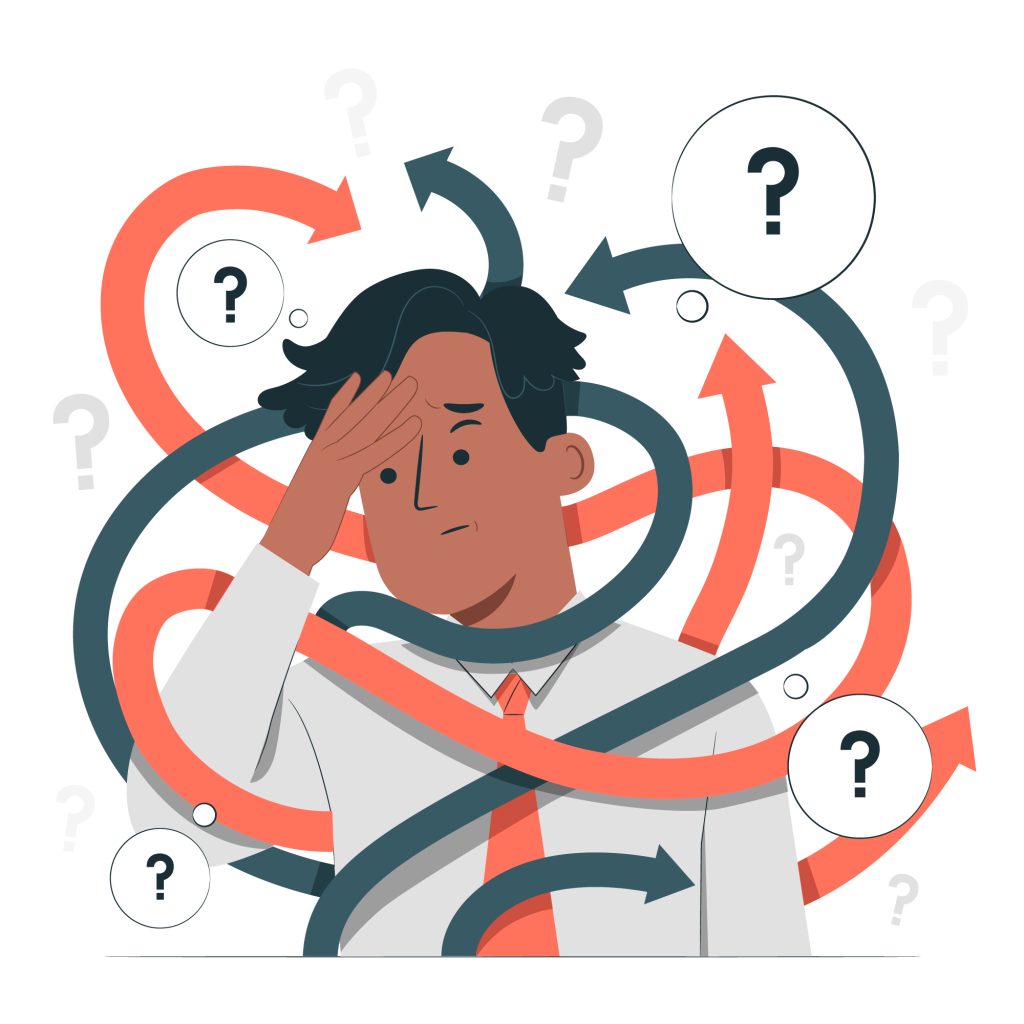
Stress is a natural response designed to protect us from perceived threats or dangers. When faced with a challenging situation, our bodies release hormones like cortisol and adrenaline, preparing us for a fight-or-flight response. In small doses, this acute stress can be beneficial, enhancing focus and motivation. However, chronic stress, which results from ongoing challenges or pressures, can have detrimental effects on our well-being.
Effects of Chronic Stress
The consequences of chronic stress are far-reaching and can manifest in various ways:
- Physical Health:
Prolonged stress contributes to increased blood pressure, heart disease, weakened immune function, and digestive issues. It can also exacerbate pre-existing conditions such as diabetes and asthma.
- Mental Health:
Chronic stress is closely linked to anxiety, depression, and mood disorders. It can disrupt sleep patterns, leading to insomnia or restless sleep, further impacting mental and emotional stability.
- Cognitive Function:
High levels of stress can impair concentration, memory, and decision-making abilities. This can interfere with daily tasks and reduce overall productivity.
- Behavioral Changes:
Individuals under chronic stress may exhibit changes in eating habits, such as overeating or undereating, as well as engaging in unhealthy coping mechanisms like substance abuse or withdrawal from social interactions.
Managing Stress Effectively
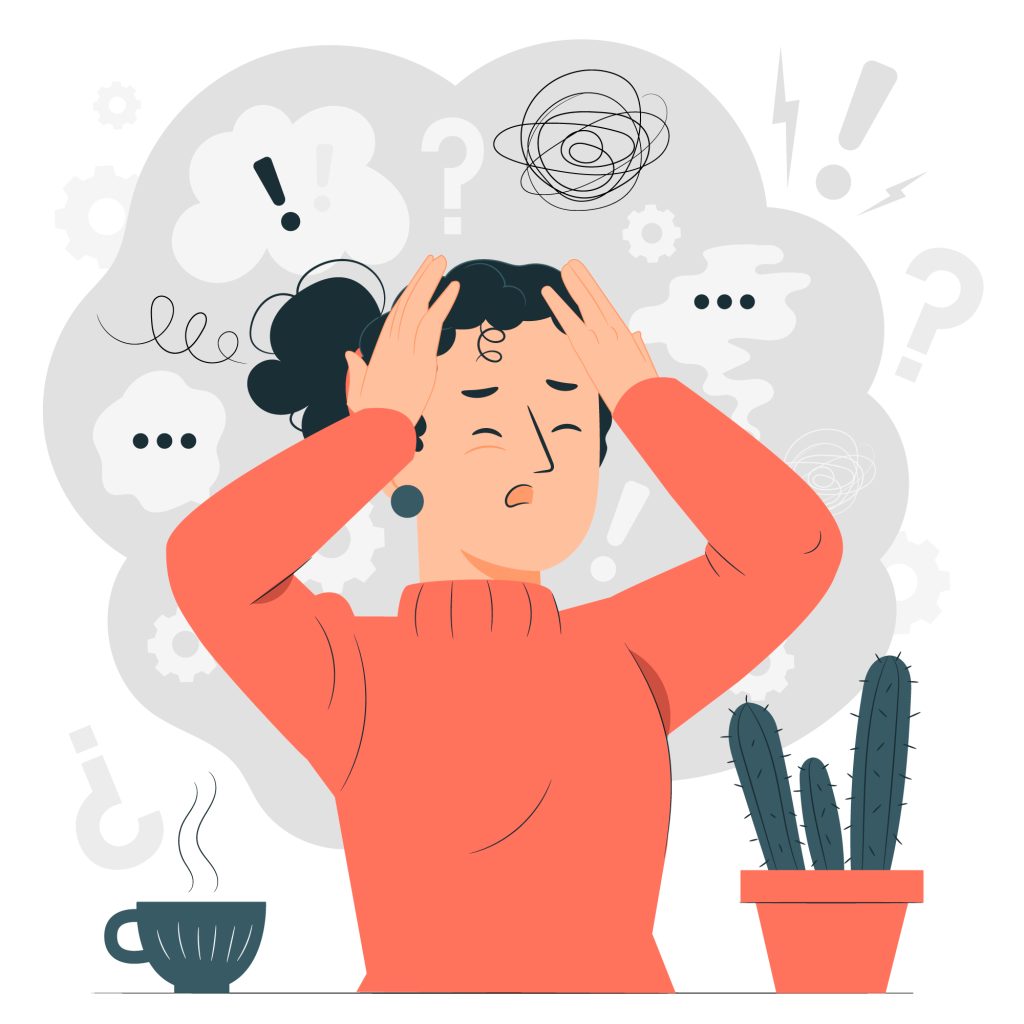
While stress is an inevitable part of life, there are proactive steps we can take to manage it:
- Identify Stressors:
Recognizing the sources of stress in our lives, whether they are work-related, financial, interpersonal, or health-related, is the first step toward addressing them effectively.
- Healthy Lifestyle:
Prioritizing regular exercise, nutritious eating habits, adequate sleep, and relaxation techniques such as meditation or deep breathing can bolster resilience against stress.
- Time Management:
Organizing tasks, setting realistic goals, and practicing time management techniques can reduce feelings of overwhelm and promote a sense of control.
- Seeking Support:
Talking to friends, family, or a mental health professional can provide valuable support and perspective during challenging times. Support groups and counseling services are also beneficial resources.
- Mindfulness Practices:
Incorporating mindfulness practices into daily routines, such as mindfulness meditation or yoga, can foster awareness of the present moment and promote emotional balance.
Promoting Stress Awareness
During Stress Awareness Month, communities, workplaces, and educational institutions often organize events, workshops, and campaigns to raise awareness about stress management techniques. These initiatives aim to educate individuals about the importance of mental health self-care and reduce the stigma associated with seeking help for stress-related issues.
By fostering open conversations, providing education, and promoting healthy coping strategies, Stress Awareness Month plays a crucial role in empowering individuals to take proactive steps toward better stress management and overall well-being.
In conclusion, Stress Awareness Month serves as a reminder that while stress is a common experience, it doesn’t have to dictate our lives. With awareness, education, and a commitment to self-care, we can navigate life’s challenges more effectively and cultivate a healthier, more balanced existence.Top of Form


