

Every April, the global health community comes together to recognize IBS Awareness Month, a vital campaign to raise awareness and support for the millions of people living with Irritable Bowel Syndrome (IBS). Though common, IBS remains one of the most misunderstood and under-discussed gastrointestinal disorders, often leaving those affected to suffer in silence.
What is IBS?
Irritable Bowel Syndrome is a chronic condition that affects the large intestine. Symptoms can vary but often include abdominal pain, bloating, gas, cramping, and changes in bowel habits such as diarrhea, constipation, or both. While IBS doesn’t cause permanent damage to the digestive tract, it can severely impact a person’s quality of life.
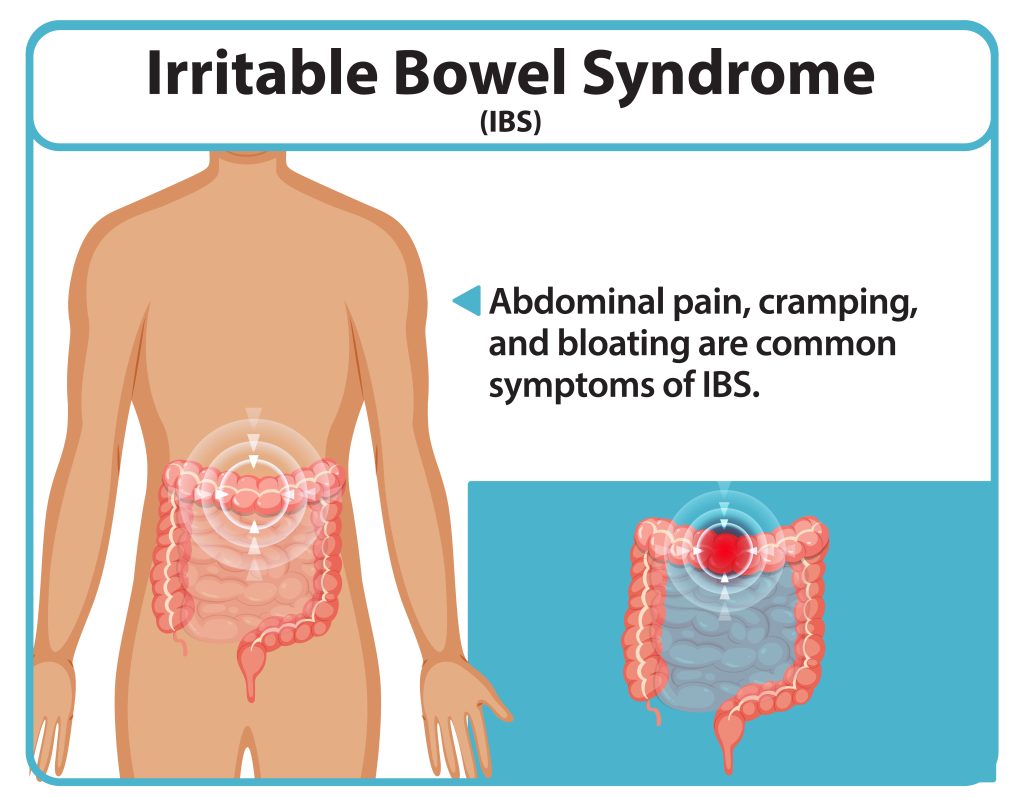
IBS affects an estimated 10-15% of the global population, and yet many people remain undiagnosed. This is partly due to stigma around digestive health and a lack of understanding about the condition.
The Importance of Awareness
IBS Awareness Month is about more than just education—it’s about empathy, advocacy, and action. By increasing public knowledge, we can help reduce the stigma that often surrounds gastrointestinal conditions and empower individuals to seek diagnosis and treatment.
Awareness also encourages healthcare providers and researchers to continue advancing their understanding of IBS, improving both diagnostic tools and treatment options.

How You Can Support
- Learn and Share: Take time to understand IBS and share information with friends and family.
- Be Supportive: Listen without judgment to those experiencing symptoms.
- Advocate: Support organizations and initiatives focused on digestive health.
- Raise Your Voice: Use social media to spread awareness using hashtags like #IBSAwarenessMonth, #GutHealthMatters, and #BreakTheStigma.

Living with IBS
While there is no cure for IBS, many people find relief through a combination of diet changes, stress management, medications, and lifestyle adjustments. It’s a journey that often requires patience, support, and education.


