
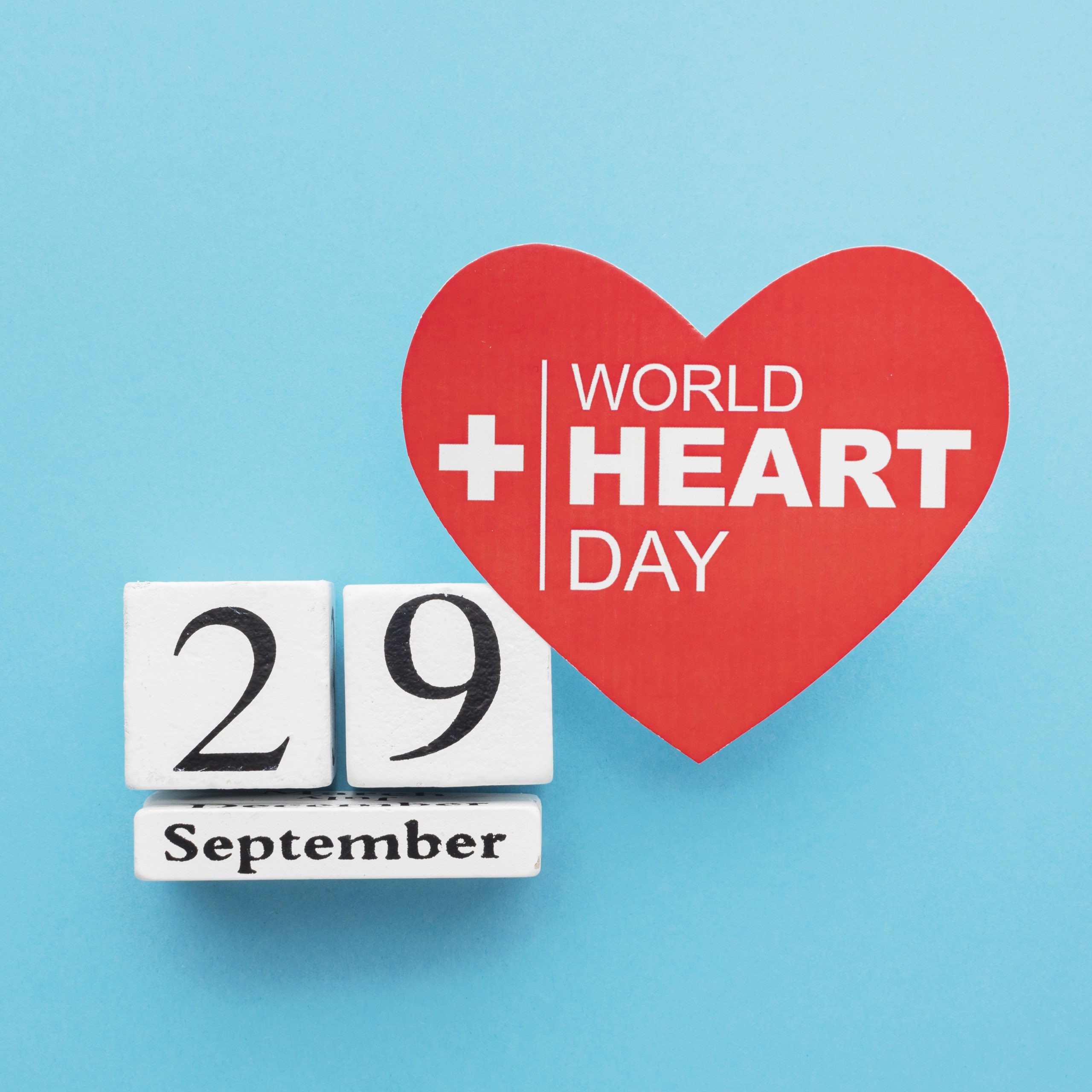
World Heart Day, celebrated annually on September 29, is a global campaign aimed at increasing awareness of cardiovascular diseases (CVDs), promoting preventive measures, and encouraging heart-healthy habits. Spearheaded by the World Heart Federation, this initiative seeks to remind people of the importance of heart health and to emphasize the significant impact CVDs have on the global population. With heart disease being the leading cause of death globally, the day plays a crucial role in promoting healthier lifestyles and reducing the risk factors associated with heart conditions.
The Significance of World Heart Day
Cardiovascular diseases claim approximately 17.9 million lives each year, accounting for 31% of all global deaths. The majority of these deaths result from heart attacks and strokes, often driven by factors like unhealthy diets, lack of physical activity, tobacco use, and excessive alcohol consumption.
World Heart Day was created to address these alarming statistics by raising awareness about heart disease, its risk factors, and preventive measures. The overarching goal is to empower individuals to take control of their cardiovascular health by making informed lifestyle choices and seeking timely medical care.
Themes and Focus Areas
The themes of World Heart Day have varied over the years, each addressing key issues surrounding cardiovascular health. These themes focus on prevention, awareness, and the impact of heart diseases on individuals and societies.
- 2017: “Share the Power” – Aimed at highlighting the power of information sharing to improve heart health.
- 2018: “My Heart, Your Heart” – Focused on making personal promises for heart health, whether quitting smoking, getting active, or eating healthier.
- 2020: “Use Heart to Beat Cardiovascular Disease” – Encouraged people to take care of their heart through conscious lifestyle decisions and awareness.
- 2023: “Use Heart, Know Heart” – This theme emphasizes the importance of knowing one’s heart health through regular check-ups, understanding the warning signs of CVDs, and advocating for heart-healthy living.

Risk Factors for Cardiovascular Diseases
Cardiovascular diseases often develop due to a combination of risk factors, many of which are preventable. These include:
- Unhealthy Diet: Diets high in saturated fats, trans fats, sugar, and salt increase the risk of heart disease. A balanced diet rich in fruits, vegetables, whole grains, and lean proteins promotes heart health.
- Lack of Physical Activity: A sedentary lifestyle can lead to obesity, high blood pressure, and high cholesterol, all contributing to heart disease. Regular exercise, such as walking, cycling, or swimming, can improve heart health and reduce risks.
- Tobacco Use: Smoking is a major cause of cardiovascular diseases, with nicotine and other chemicals in cigarettes damaging the heart and blood vessels.
- Excessive Alcohol Consumption: While moderate alcohol consumption may have some protective effects, excessive intake can raise blood pressure and lead to heart disease.
- Stress: Chronic stress can increase the risk of cardiovascular issues. Managing stress through relaxation techniques, mindfulness, and physical activity is essential for maintaining a healthy heart.
- Diabetes and Hypertension: Uncontrolled diabetes and high blood pressure are significant contributors to heart disease. Regular monitoring and management of these conditions can help prevent CVDs.

Preventive Measures and Lifestyle Changes
- Eat Heart-Healthy: Emphasizing whole foods, minimizing processed and high-fat foods, and including heart-healthy nutrients like omega-3 fatty acids are vital steps toward heart health.
- Exercise Regularly: Engaging in at least 30 minutes of moderate physical activity daily helps maintain a healthy heart. Activities like brisk walking, swimming, or cycling strengthen the cardiovascular system.
- Quit Smoking: Smoking cessation can significantly reduce the risk of heart disease. The health benefits of quitting smoking are almost immediate, with improved heart health observed within weeks.
- Regular Health Screenings: Routine checks for blood pressure, cholesterol, and blood sugar levels are essential to detect and address early signs of heart disease.
- Manage Stress: Incorporating relaxation techniques such as yoga, meditation, and deep breathing exercises can help reduce stress levels and lower the risk of heart disease.

The Global Call to Action
World Heart Day serves as a reminder that heart disease can affect anyone, regardless of age, gender, or nationality. It is a call to action for individuals to prioritize their heart health, for governments to invest in healthcare systems, and for organizations to promote heart-healthy environments in the workplace and community.
The observance also highlights the inequities in healthcare access, urging countries to ensure that heart health is a universal right, not a privilege. Advocacy for better healthcare infrastructure, heart disease research, and accessible treatments is central to achieving long-term global health goals.

Conclusion
World Heart Day provides a platform for individuals and communities worldwide to take proactive steps toward reducing the burden of cardiovascular diseases. By raising awareness, promoting heart-healthy habits, and advocating for improved access to healthcare, the campaign aims to reduce the global toll of heart disease and create a healthier future for all.
Whether through small lifestyle changes or community-wide initiatives, everyone has a role to play in beating heart disease. This September 29, let’s use our hearts to care for our most vital organ – the heart itself.


