
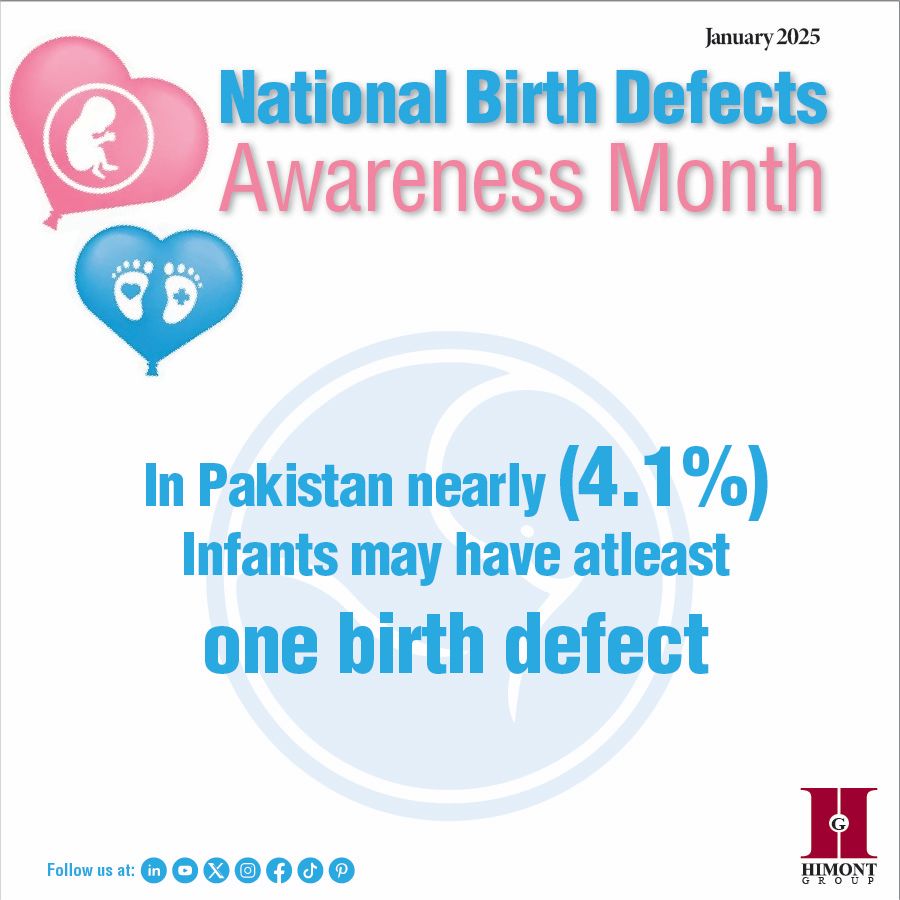
Every January, National Birth Defects Awareness Month shines a spotlight on the importance of raising awareness about birth defects, their causes, prevention strategies, and the support systems available for affected families. This annual observance is an opportunity to educate communities, empower families, and advocate for the health and well-being of newborns.
Understanding Birth Defects
Birth defects are structural changes that occur in a baby during development in the womb. These can affect almost any part of the body, including the heart, brain, spine, and limbs. According to the Centers for Disease Control and Prevention (CDC), birth defects occur in about 1 in every 33 babies born in the United States each year, making them a leading cause of infant mortality.
The severity of birth defects varies widely. Some may require immediate medical intervention, while others might have long-term impacts on physical, mental, or emotional health. Common birth defects include congenital heart defects, cleft lip and palate, Down syndrome, and spina bifida.
Causes and Risk Factors
The exact causes of many birth defects remain unknown, but they can result from genetic, environmental, or a combination of factors. Some key risk factors include:
- Genetic predisposition: A family history of certain conditions may increase the risk.
- Maternal health: Conditions like diabetes or obesity during pregnancy can raise the likelihood of birth defects.
- Lifestyle choices: Smoking, alcohol consumption, and drug use during pregnancy are known risk factors.
- Environmental exposures: Certain medications, infections, or exposure to harmful substances can increase risk.
- Age: Women over the age of 35 may have a higher risk of having a child with certain birth defects.
Prevention Strategies
While not all birth defects can be prevented, there are steps that prospective parents can take to reduce risks:
- Prenatal Care: Regular visits to a healthcare provider can help monitor the pregnancy and identify potential issues early.
- Folic Acid: Taking 400 micrograms of folic acid daily before conception and during early pregnancy reduces the risk of neural tube defects.
- Healthy Lifestyle: Avoiding tobacco, alcohol, and illicit drugs while maintaining a balanced diet and a healthy weight can improve outcomes.
- Vaccination: Staying up to date on vaccines, such as the flu shot and rubella vaccine, can prevent infections that might lead to birth defects.
- Medication Safety: Consulting with healthcare providers about safe medications during pregnancy is crucial.
Supporting Families
For families affected by birth defects, support and resources are essential. These may include:
- Medical Care: Access to pediatric specialists and early intervention programs can make a significant difference in a child’s development.
- Community Resources: Support groups, counseling services, and educational programs provide emotional and practical assistance.
- Financial Assistance: Many organizations offer grants and financial aid to help cover medical expenses.
Advocacy and Awareness
Organizations like the March of Dimes, the National Birth Defects Prevention Network (NBDPN), and the CDC play a vital role in raising awareness and funding research. During January, they organize campaigns to promote public education, share prevention tips, and celebrate the resilience of families and individuals affected by birth defects.

How You Can Help
- Spread Awareness: Share information on social media using hashtags like #BirthDefectsAwareness and #Prevent2Protect.
- Support Research: Donate to organizations dedicated to studying birth defects and improving treatment options.
- Engage Locally: Volunteer or participate in local events aimed at supporting affected families.
National Birth Defects Awareness Month is a reminder that we all have a role to play in creating a world where every child has the opportunity to thrive. By understanding the challenges, advocating for prevention, and supporting families, we can make a meaningful impact in the lives of countless individuals.


