
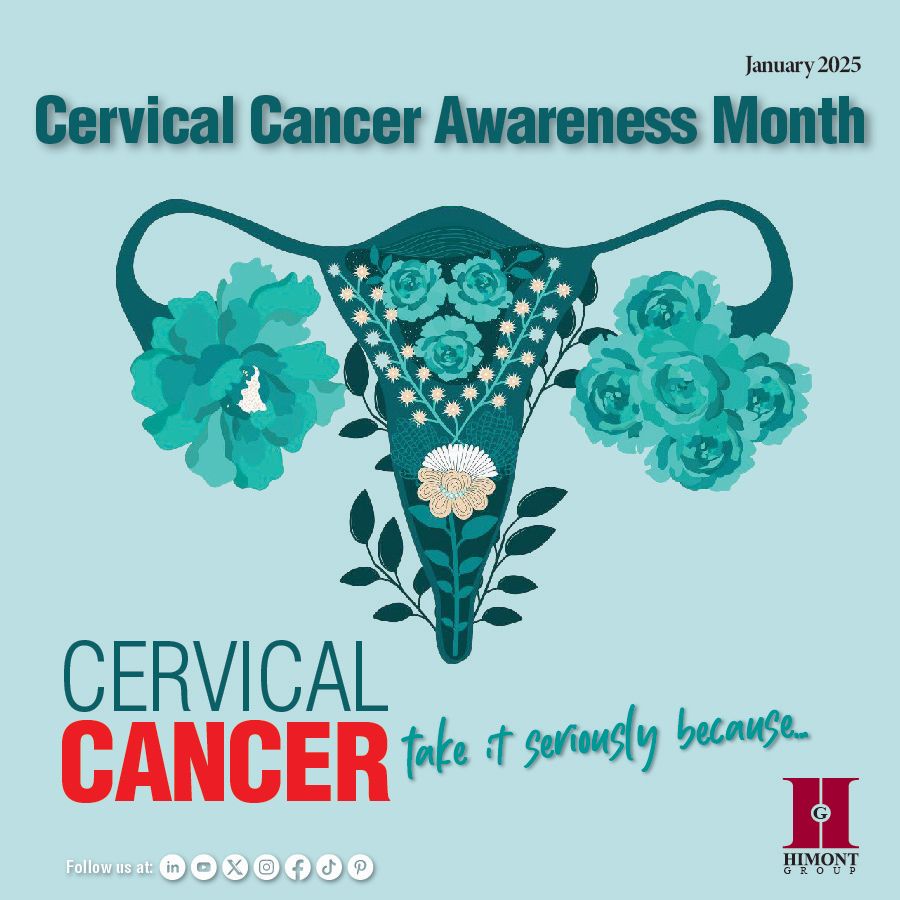
January marks Cervical Cancer Awareness Month, a time dedicated to educating the public about one of the most preventable cancers. This annual observance emphasizes the importance of regular screenings, HPV vaccination, and early detection in the fight against cervical cancer. By raising awareness and fostering proactive health practices, we can work together to save countless lives.
Understanding Cervical Cancer
Cervical cancer occurs in the cells of the cervix, the lower part of the uterus that connects to the vagina. It is primarily caused by persistent infection with certain strains of the human papillomavirus (HPV), a common sexually transmitted infection. While most HPV infections resolve on their own, some can lead to abnormal cell changes that, if left untreated, may develop into cancer over time.
Symptoms of cervical cancer in its early stages may be subtle or nonexistent, making regular screenings crucial. Advanced stages may present symptoms such as abnormal vaginal bleeding, pelvic pain, or pain during intercourse.

The Importance of Screening
Regular cervical cancer screenings, such as Pap smears (Pap tests) and HPV tests, are essential tools for early detection. These tests can identify precancerous changes, allowing for timely intervention before cancer develops. Women are encouraged to discuss the appropriate screening schedule with their healthcare providers, typically starting at age 21.
The Role of HPV Vaccination
The HPV vaccine is a powerful preventive measure against cervical cancer. It protects against the high-risk HPV strains most commonly linked to cervical and other cancers. The vaccine is recommended for preteens, both girls and boys, starting at age 11 or 12, but it can be given as early as age 9 and up to age 26 or beyond in certain cases.

Taking Action
Cervical Cancer Awareness Month is a reminder to prioritize health and take preventive measures:
- Schedule Screenings: Make regular appointments for Pap and HPV tests.
- Get Vaccinated: Ensure you and your loved ones are protected by receiving the HPV vaccine.
- Educate and Advocate: Share information about cervical cancer prevention within your community.
- Support Survivors: Offer encouragement and resources to those affected by cervical cancer.
Breaking Stigmas and Barriers
Cultural stigmas, misinformation, and lack of access to healthcare can hinder prevention efforts. Public health campaigns and community outreach programs play a critical role in breaking down these barriers and ensuring that everyone has access to life-saving screenings and vaccines.

Together, We Can Make a Difference
Cervical Cancer Awareness Month is more than just a campaign; it is a call to action for individuals, families, and communities to come together in the fight against cervical cancer. By spreading knowledge, encouraging preventive care, and supporting advancements in medical research, we can create a future where cervical cancer is no longer a threat.
Let’s take this month to honor survivors, support those currently battling the disease, and commit to prevention and early detection. Together, we can save lives and foster a healthier world for all.


