Heart failure is a serious medical condition that affects millions of people worldwide, yet its understanding and recognition often fall short of the mark. To address this gap and shed light on the importance of early detection, management, and support for individuals living with heart failure, Heart Failure Awareness Week emerges as a beacon of education and advocacy. This annual observance serves as a reminder of the prevalence and impact of heart failure while empowering communities to take proactive steps towards heart health.
Understanding Heart Failure
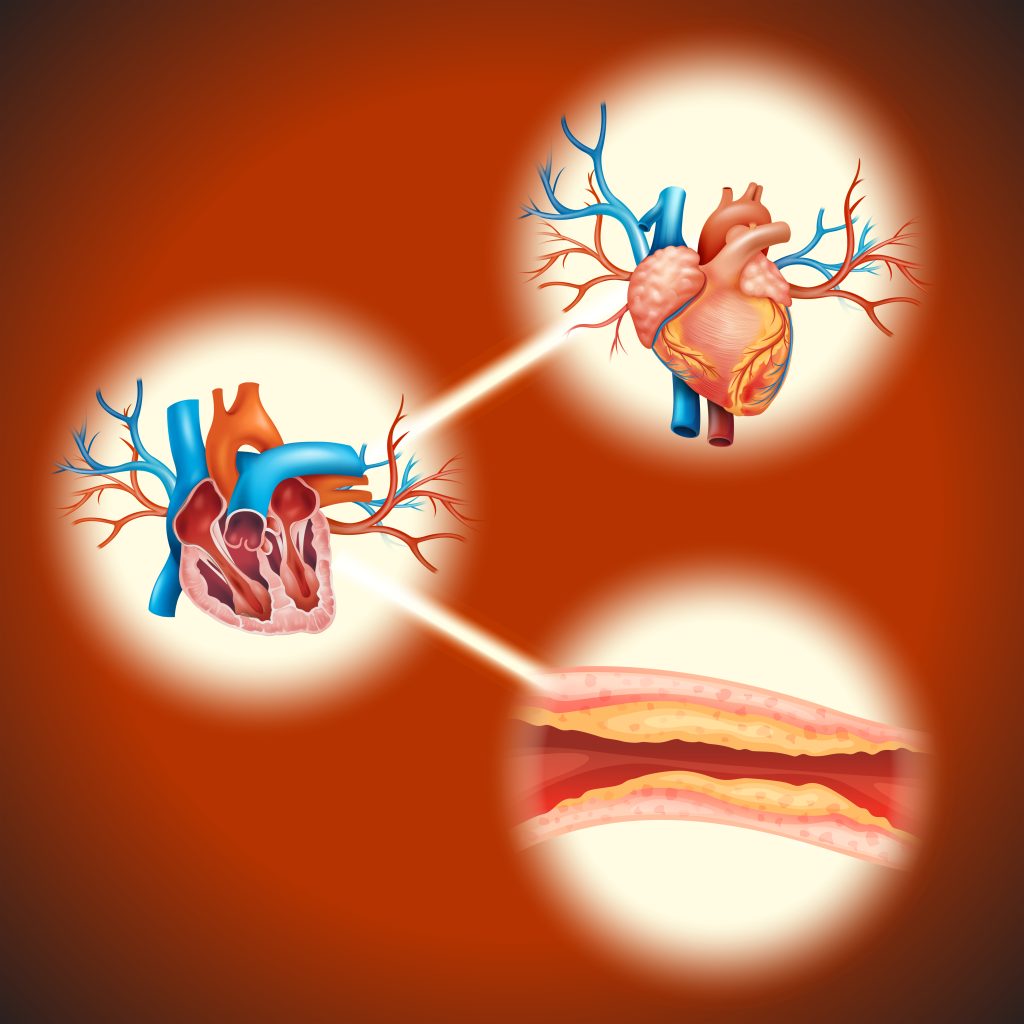
Heart failure is a chronic condition characterized by the heart’s inability to pump blood efficiently to meet the body’s needs. It can result from various underlying causes, including coronary artery disease, hypertension, and previous heart attacks. Despite its name, heart failure does not mean the heart has stopped working; rather, it signifies a weakened or damaged heart muscle that struggles to maintain adequate circulation.

Key Messages and Objectives
Heart Failure Awareness Week aims to accomplish several key objectives:
- Education:
By providing accessible and accurate information, the campaign seeks to enhance public understanding of heart failure, its risk factors, symptoms, and available treatment options.
- Early Detection:
Encouraging individuals to recognize the warning signs of heart failure and seek timely medical evaluation can lead to earlier diagnosis and intervention, improving outcomes and quality of life.
- Prevention:
Promoting heart-healthy behaviors such as regular exercise, maintaining a balanced diet, managing stress, and avoiding tobacco use can help prevent or mitigate the development of heart failure.
- Support and Empowerment:
Recognizing the physical, emotional, and social challenges faced by individuals living with heart failure, the campaign emphasizes the importance of support networks, patient empowerment, and shared decision-making in managing the condition effectively.
Activities and Initiatives
Throughout Heart Failure Awareness Week, various activities and initiatives are organized to engage communities, healthcare professionals, policymakers, and stakeholders:
- Public Awareness Campaigns:
Through traditional and digital media channels, awareness campaigns disseminate information about heart failure, featuring testimonials, educational resources, and expert insights.
- Screening Programs:
Local hospitals, clinics, and community organizations may offer heart health screenings, allowing individuals to assess their risk factors and receive guidance on preventive measures.
- Educational Workshops and Webinars:
Healthcare providers host seminars and webinars to educate both patients and caregivers about heart failure management, medication adherence, lifestyle modifications, and navigating the healthcare system.
- Advocacy Efforts:
Advocacy groups and organizations use this opportunity to raise awareness among policymakers, advocating for policies that support heart health research, access to care, and equitable treatment for all individuals affected by heart failure.

Conclusion
Heart Failure Awareness Week serves as a crucial platform for raising awareness, fostering community engagement, and driving positive change in the fight against heart failure. By empowering individuals with knowledge, promoting early detection, and advocating for comprehensive care and support, we can work together to reduce the burden of heart failure and improve outcomes for all those affected by this challenging condition. Let us unite our hearts and efforts towards a healthier, heart-strong future.