
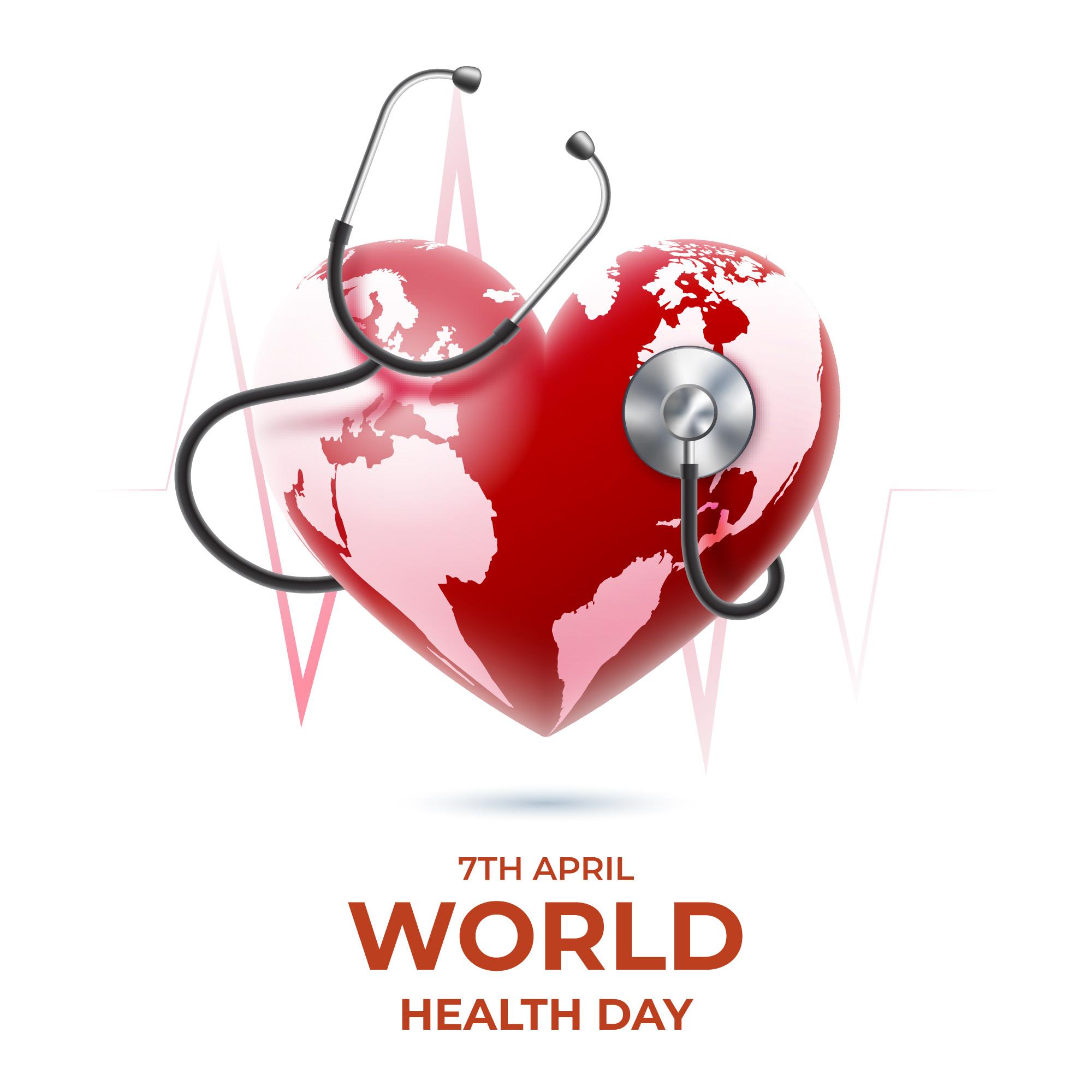
Every year on April 7th, the world comes together to observe World Health Day, a moment to reflect on the state of global health and to advocate for actions that promote well-being for all. Established by the World Health Organization (WHO) in 1950, World Health Day serves as a reminder of the critical importance of health as a fundamental human right and the foundation for prosperous and sustainable societies.

The theme for World Health Day 2024 is “Building a Healthier World Together.” This theme emphasizes the collective effort required to address the myriad health challenges facing humanity, from infectious diseases to non-communicable diseases, mental health issues, and the impacts of climate change. It underscores the interconnectedness of health across borders and the need for collaboration at local, national, and international levels.

In recent years, the world has faced unprecedented health crises, including the ongoing COVID-19 pandemic, which has highlighted the vulnerabilities in global health systems and the urgent need for preparedness and resilience. As the world continues to grapple with the pandemic, World Health Day serves as a platform to reaffirm commitments to strengthening health systems, ensuring equitable access to healthcare services, and addressing the underlying social determinants of health.

One of the key priorities on World Health Day is to promote health equity, ensuring that everyone, regardless of their socio-economic status, geography, or background, has the opportunity to attain their highest level of health. This requires addressing disparities in access to healthcare, tackling the root causes of inequities, and empowering communities to participate in decision-making processes that affect their health.

Another focus of World Health Day is the prevention and control of diseases. This includes efforts to immunize populations against vaccine-preventable diseases, promote healthy lifestyles to reduce the burden of non-communicable diseases such as diabetes and heart disease, and strengthen surveillance systems to detect and respond to emerging health threats.

Mental health is also a critical component of World Health Day. The global burden of mental illness is significant, yet stigma and discrimination often prevent individuals from seeking the help they need. World Health Day provides an opportunity to raise awareness about mental health issues, promote understanding and empathy, and advocate for policies and programs that support mental well-being.
In addition to addressing existing health challenges, World Health Day also calls attention to emerging threats, such as the impacts of climate change on health. From extreme weather events to the spread of infectious diseases, climate change poses significant risks to human health and requires urgent action to mitigate its effects and build resilience.

Ultimately, World Health Day is a reminder that health is not just the absence of disease, but a state of complete physical, mental, and social well-being. It is a call to action for governments, civil society, healthcare providers, and individuals to work together to create a healthier, more equitable world for present and future generations.
As we mark World Health Day 2024, let us reaffirm our commitment to building a healthier world together, where everyone has the opportunity to thrive and fulfill their potential. By investing in health, we invest in the future of humanity and lay the foundation for a more sustainable and prosperous world.


