
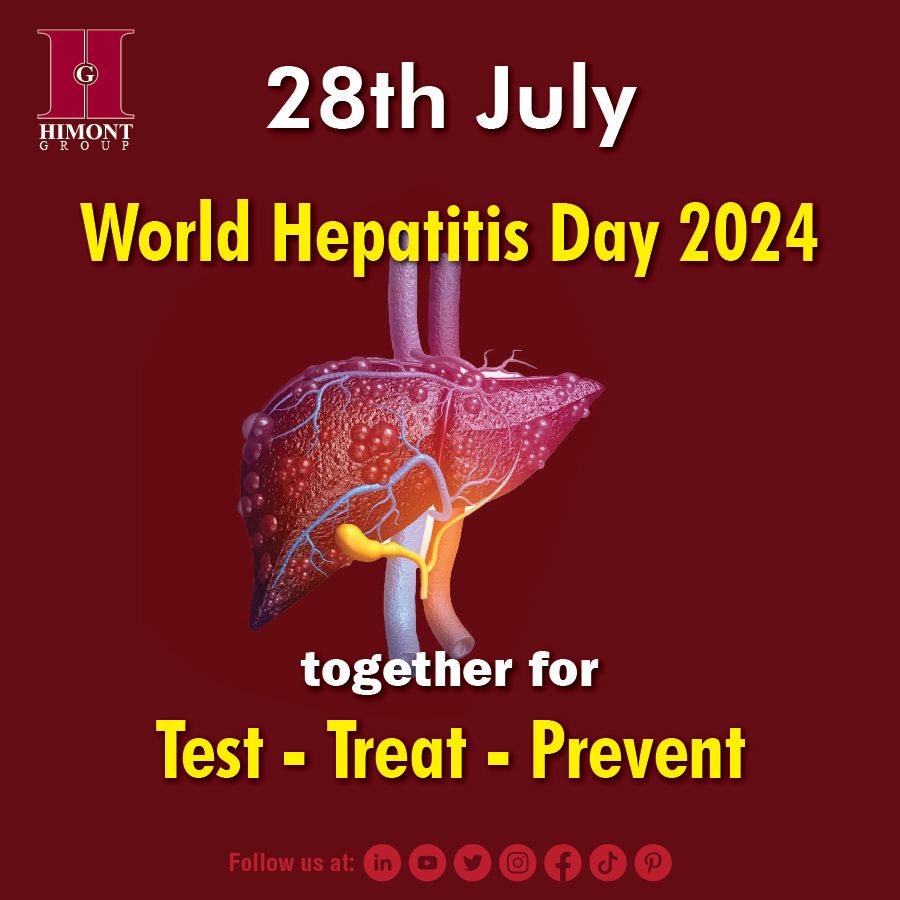
World Hepatitis Day, observed annually on July 28th, is an international event dedicated to raising awareness about hepatitis, a group of infectious diseases known as hepatitis A, B, C, D, and E, and prompting global action to eliminate them. This day is one of the World Health Organization’s (WHO) officially endorsed global public health campaigns, alongside others like World Health Day and World AIDS Day. The theme for World Hepatitis Day varies each year but consistently focuses on the urgent need to address hepatitis as a public health threat.
Understanding Hepatitis
Hepatitis refers to an inflammation of the liver, primarily caused by viral infections. The five main types of hepatitis viruses, labeled A, B, C, D, and E, pose significant health risks globally. These viruses can lead to both acute and chronic liver diseases, ranging from mild illness to severe liver damage, liver cancer, and even death.
- Hepatitis A and E:
Typically spread through contaminated food and water, these types generally cause acute infections and do not lead to chronic disease.
- Hepatitis B, C, and D:
Primarily spread through blood-to-blood contact, these types can lead to chronic infections and are major contributors to liver cirrhosis and liver cancer.

Objectives of World Hepatitis Day
- Raising Awareness:
Increase public knowledge about the different types of hepatitis, their transmission routes, prevention methods, and available treatments.
- Promoting Prevention:
Encourage preventive measures such as vaccination (for hepatitis A and B), safe injection practices, blood safety, and safe food and water consumption.
- Encouraging Testing and Diagnosis:
Advocate for regular testing, especially for high-risk populations, to ensure early detection and timely treatment.
- Improving Access to Treatment:
Highlight the need for accessible and affordable treatment options for hepatitis patients, particularly in low- and middle-income countries.
- Eliminating Hepatitis:
Support global initiatives aimed at eliminating hepatitis as a public health threat by 2030, in line with WHO’s Global Health Sector Strategy on Viral Hepatitis.

Global Initiatives and Progress
The WHO and various international organizations have been actively working towards eliminating hepatitis. Key initiatives include:
- Global Health Sector Strategy on Viral Hepatitis (2016-2021):
A comprehensive plan aimed at reducing new infections by 90% and deaths by 65% by 2030.
- Hepatitis B and C Elimination Programs:
Countries are encouraged to implement national strategies that focus on vaccination, harm reduction, safe blood transfusion practices, and ensuring access to antiviral treatments.
- Public Awareness Campaigns:
Efforts to educate communities about hepatitis and reduce stigma associated with the disease.

How Individuals Can Participate
- Get Informed:
Learn about hepatitis and share information with friends, family, and community members.
- Get Tested:
If you belong to a high-risk group, get tested for hepatitis and encourage others to do the same.
- Get Vaccinated:
Ensure you and your loved ones are vaccinated against hepatitis A and B.
- Support Advocacy Efforts:
Join local or global advocacy groups working towards hepatitis elimination.
- Promote Safe Practices:
Practice safe injection, safe sex, and good hygiene to prevent hepatitis transmission.

Conclusion
World Hepatitis Day serves as a critical reminder of the ongoing battle against hepatitis. By raising awareness, promoting preventive measures, encouraging testing and diagnosis, and improving access to treatment, we can move closer to the goal of eliminating hepatitis as a global health threat. Collective action and commitment from individuals, communities, healthcare providers, and governments are essential to achieving a hepatitis-free future.


