
Every year on March 24th, the global community comes together to observe World Tuberculosis Day. This day serves as a reminder of the ongoing battle against one of humanity’s oldest and deadliest infectious diseases. Tuberculosis (TB) continues to claim millions of lives each year, particularly in low- and middle-income countries, despite being preventable and curable.
The Challenge of Tuberculosis
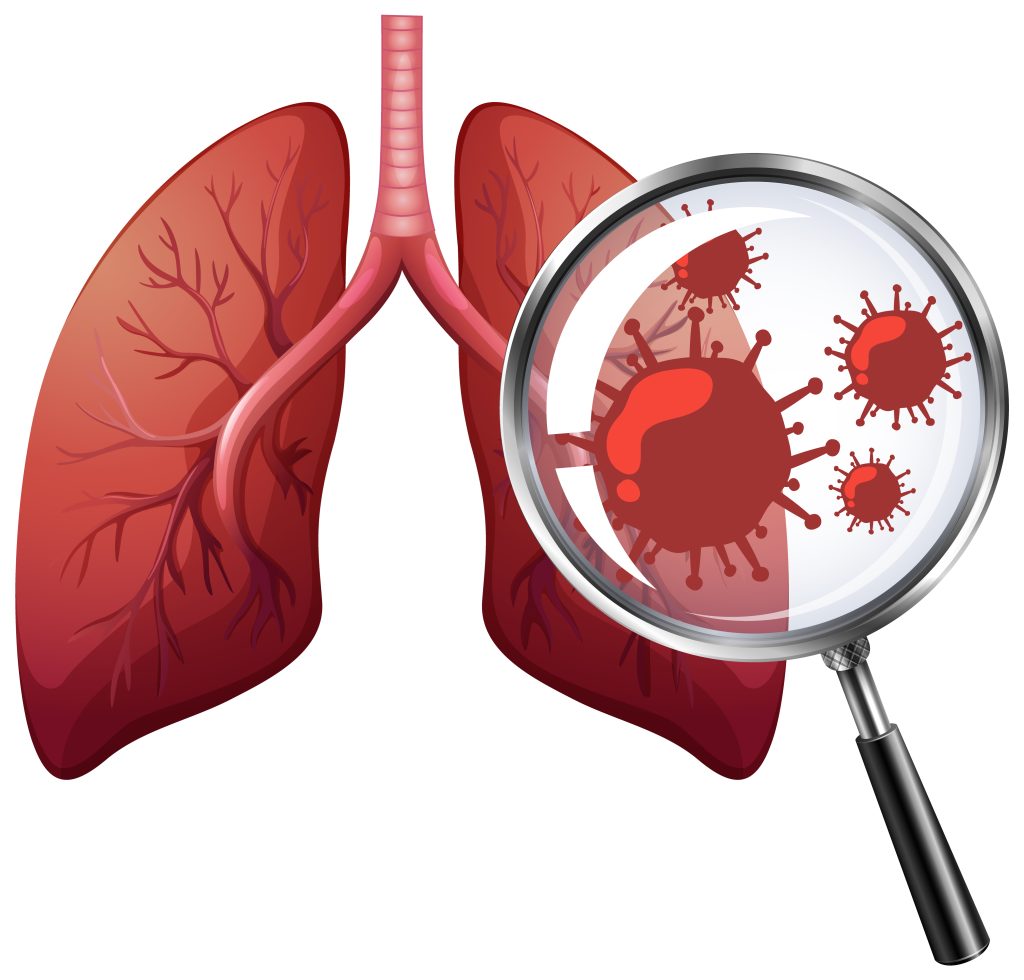
Tuberculosis is caused by the bacterium Mycobacterium tuberculosis and primarily affects the lungs, although it can also affect other parts of the body. It spreads through the air when an infected individual coughs or sneezes, making it highly contagious. Factors such as overcrowded living conditions, poor ventilation, and lack of access to healthcare contribute to its transmission.
The World Health Organization (WHO) estimates that approximately 10 million people fell ill with TB in 2020, with 1.5 million succumbing to the disease. Moreover, TB remains a leading cause of death among people living with HIV/AIDS, highlighting the intersectionality of health challenges faced by vulnerable populations.
Global Efforts and Progress
Despite the challenges posed by TB, significant progress has been made in recent years. The United Nations General Assembly adopted the Sustainable Development Goals (SDGs), which include targets to end the TB epidemic by 2030. The WHO’s End TB Strategy, launched in 2015, aims to reduce TB deaths by 95% and cut new cases by 90% between 2015 and 2035.
Efforts to combat TB involve a combination of prevention, diagnosis, treatment, and support services. Expanded access to healthcare, particularly in underserved communities, is crucial for early detection and treatment initiation. Additionally, innovations in diagnostics and treatment regimens, such as shorter and more effective drug regimens, offer hope for improving outcomes and reducing the burden of the disease.
Challenges and Opportunities
Despite progress, significant challenges remain in the fight against TB. Limited funding, especially in low-resource settings, hampers efforts to scale up interventions and reach vulnerable populations. Stigma and discrimination associated with TB deter individuals from seeking care and adhering to treatment, exacerbating the spread of the disease.
Furthermore, the emergence of drug-resistant TB strains poses a formidable threat to global health security. Addressing drug-resistant TB requires sustained investment in research and development of new therapies, as well as strengthening health systems to ensure timely and effective management of cases.
Conclusion
World Tuberculosis Day serves as a call to action for governments, healthcare professionals, civil society organizations, and individuals worldwide to intensify their efforts in the fight against TB. It is a reminder of the millions of lives lost and the millions more at risk if we fail to prioritize TB control and elimination.
As we commemorate this day, let us reaffirm our commitment to ending the TB epidemic and ensuring access to quality healthcare for all. Through concerted action and solidarity, we can overcome the challenges posed by TB and create a healthier, more equitable world for future generations.


